Peaceful Coastal Walks on the Wild Atlantic Way
Six accessible routes along Ireland's most dramatic coastline, with practical details for every walk
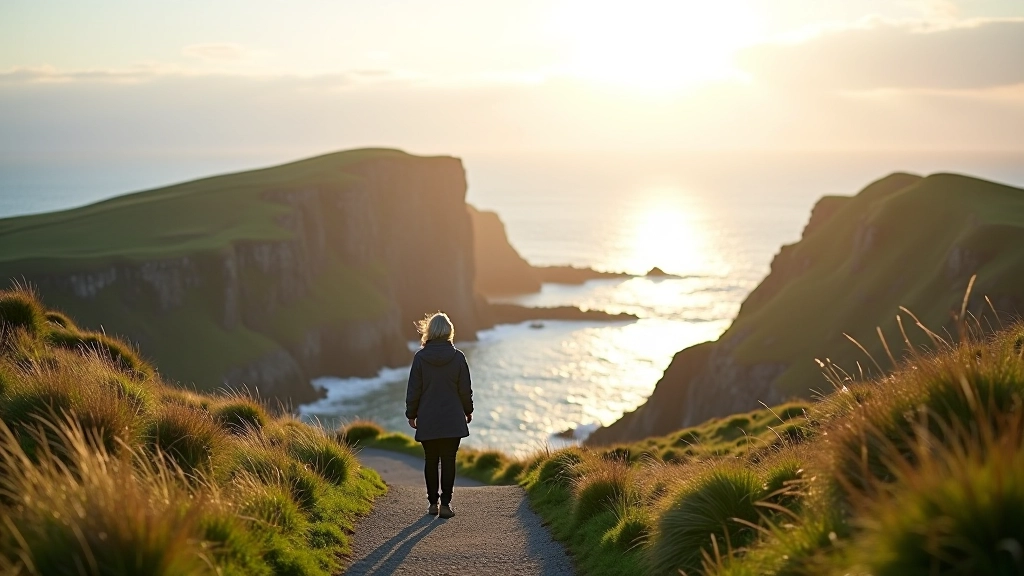

The Wild Atlantic Way stretches for 1,600 kilometres along Ireland's west coast. It's one of the most spectacular driving routes in the world. But here's the thing — you don't need a car to experience it. The best views come from walking at sea level, where you can feel the ocean's rhythm and hear the waves crashing against ancient cliffs.
We've walked these paths countless times and mapped six routes that work beautifully for people of all fitness levels. Each walk takes between 45 minutes and two hours. There's parking nearby. The paths are mostly well-maintained, and the views — well, they're genuinely worth the effort.
Whether you're looking for a gentle stroll or something with a bit more challenge, you'll find it here. Let's explore what's waiting for you.
What You'll Discover
- Six distinct coastal routes across three counties
- Practical details: distances, difficulty, parking
- Wildlife you're likely to encounter
- Best times to visit each location
- Tips for staying comfortable and safe
The Six Walks
Each route has been selected for accessibility, safety, and genuinely spectacular scenery. We've included the specifics you need to plan your day properly.
1. Doolin Cliff Walk (County Clare)
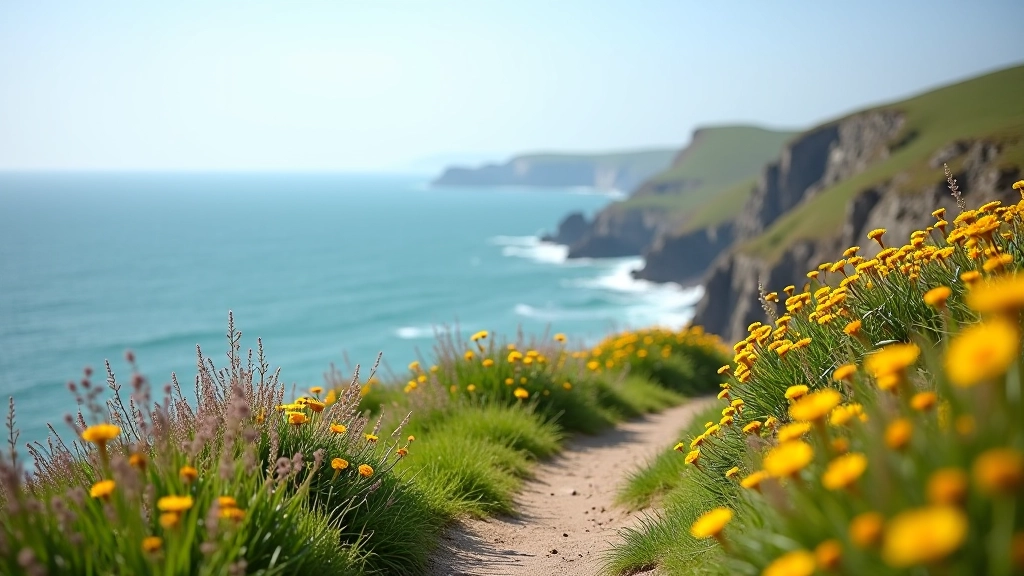
This is the walk that made us fall in love with the Atlantic coast. You start in the village of Doolin and head south toward the Cliffs of Moher. The path hugs the cliff edge for most of the route — it's not scary, but it's definitely dramatic.
Distance:
5.2 km (3.2 miles)
Difficulty:
Moderate
Duration:
1.5–2 hours
Parking:
Village car park (free)
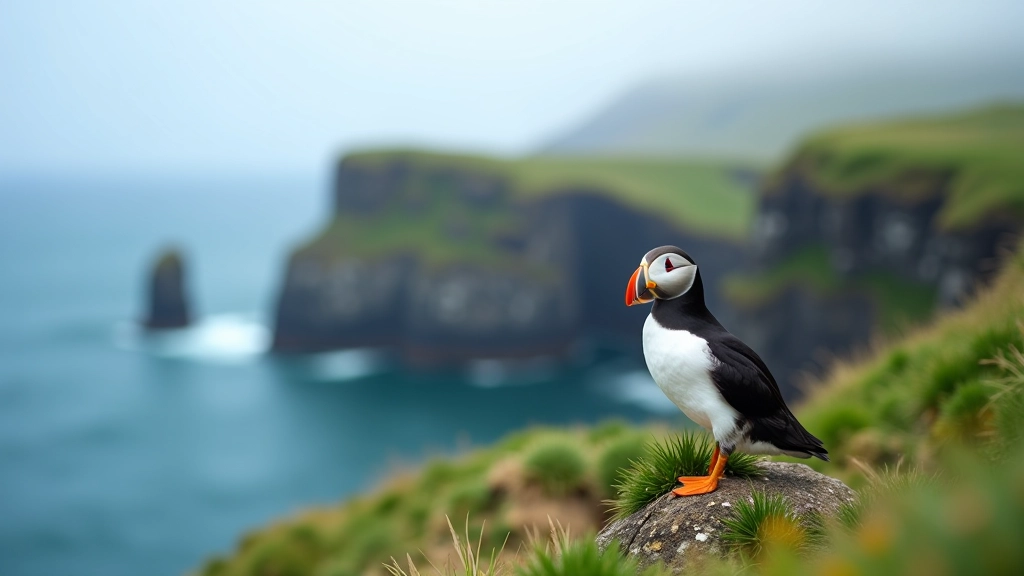
You'll likely spot fulmars nesting on the cliffs. If you're there in spring, you'll see puffins too — they're smaller than you'd think and absolutely charming. The wind can be fierce up there, so bring a proper jacket. Summer mornings offer the best visibility.
2. Inchydoney Beach Loop (County Cork)
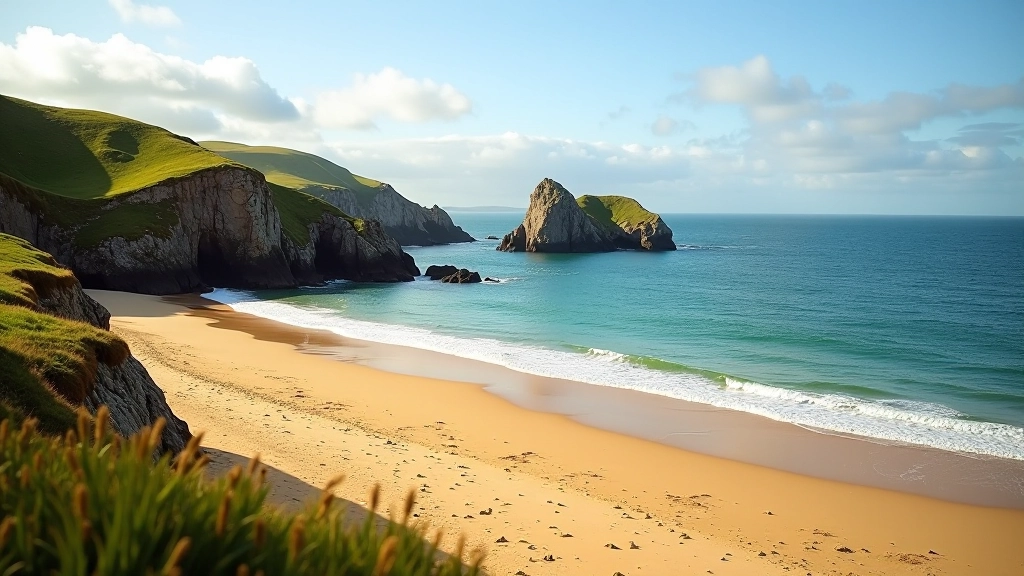
Inchydoney is probably the easiest walk on this list. The path loops around a sheltered beach with the most inviting turquoise water you'll see on the Irish coast. It's perfect if you want scenery without any serious exertion.
Distance:
2.8 km (1.7 miles)
Difficulty:
Easy
Duration:
45 minutes–1 hour
Parking:
Beach car park (small fee)
The beach itself is patrolled by lifeguards in summer, and there's a café right there if you want a coffee after. You won't see major wildlife here, but you'll see other walkers enjoying the same view. The path has benches at regular intervals. It's genuinely accessible.
Before You Go
Weather on the Irish coast changes quickly. Check the forecast before you leave. Bring proper waterproof clothing even if it looks sunny — coastal winds are unpredictable. Wear sturdy walking shoes with good grip. Stay away from cliff edges if the ground's wet. These walks aren't difficult, but they're real walks on real terrain. Use common sense, go at your own pace, and turn back if you're not comfortable.
3. Achill Head Loop (County Mayo)
Achill Head is where the land ends and the Atlantic takes over. This walk combines rugged moorland with stunning cliff views. You're walking on paths that local people have used for generations. There's something humbling about that.
Distance:
4.1 km (2.5 miles)
Difficulty:
Moderate
Duration:
1.5–2 hours
Parking:
Small lay-by (free)
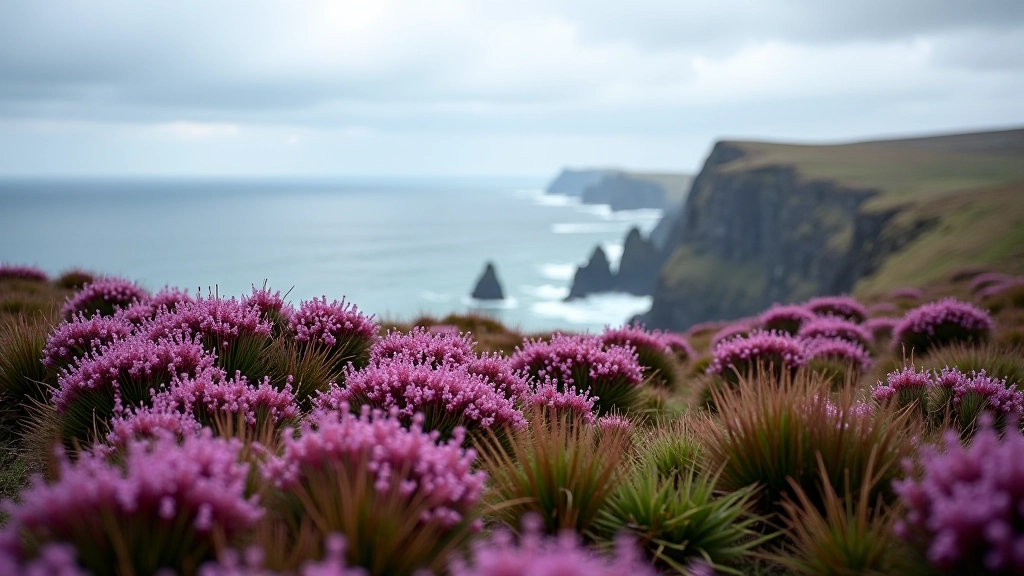
Watch for golden eagles here — they're rare in Ireland but Achill Head is one of their strongholds. You'll definitely see seals lounging on rocks below. The moorland vegetation includes heather and gorse. There's no shelter once you're on the headland, so the weather really matters here. Pick a day with decent visibility.
4. Downpatrick Head Walk (County Mayo)
This one's a bit different. You're walking across fields toward a dramatic headland with sea stacks visible offshore. The path is straightforward and the payoff is genuinely spectacular. We've walked it in all seasons and it never gets old.
Distance:
3.6 km (2.2 miles)
Difficulty:
Easy to Moderate
Duration:
1–1.5 hours
Parking:
Village car park (free)
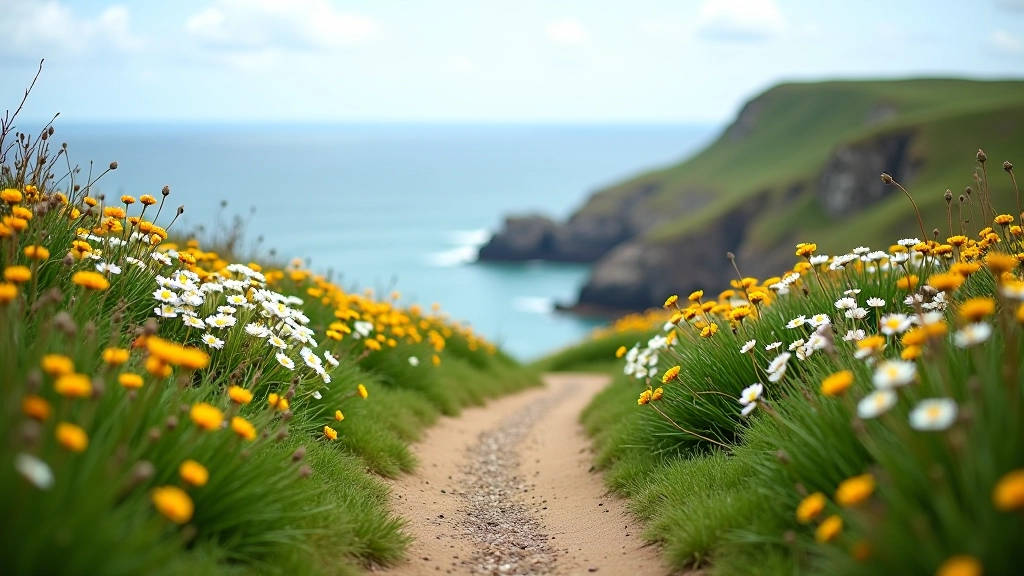
The walk crosses sheep pasture, so you'll see lambs in spring and flocks year-round. There's an old stone structure at the headland — locals call it a castle, though it's more of a fortified house from medieval times. You get a real sense of how people lived out here, exposed to the Atlantic. Seabirds are everywhere — razorbills, guillemots, and occasionally a white-tailed eagle.
What to Bring and How to Stay Safe
Clothing
Layers work best. A waterproof outer layer is non-negotiable — Irish weather doesn't wait. Bring a hat. The wind can be fierce at sea level.
Footwear
Sturdy walking boots with good ankle support. Cliff paths get muddy. Slippery ground is dangerous ground. Don't wear anything with smooth soles.
Water & Snacks
Bring more water than you think you'll need. Energy snacks are essential — walking in salt air is tiring. There aren't shops along these paths.
Navigation
Download offline maps before you leave — phone signal isn't reliable on exposed headlands. Know where you're going before you start walking.
Pro Tips from the Paths
Start early. You'll avoid crowds and have better light for photos. Plus, if the weather turns, you've got the daylight to get back safely. Mid-morning is fine too — just don't start in late afternoon.
Tell someone where you're going. Seriously. Leave a note or send a text with the walk name and your expected return time. It's not paranoid — it's sensible.
Respect the wildlife. Don't approach seals or seabirds. Photography with a zoom lens is better than getting close. These animals are living their lives — we're just visiting.
Coastal paths aren't negotiable about fitness. They're real walks. If you're building up fitness, start with the easy ones. There's no shame in turning back if you're struggling — the coast will be there next time.
When to Visit Each Walk
Timing matters. Not just for weather, but for what you'll see and experience.
Spring (March–May)
Puffins return. Wildflowers bloom on cliff faces. The light is long — it doesn't get dark until after 8 p.m. Days are mild but changeable. Doolin and Inchydoney are at their best. Bring layers.
Summer (June–August)
Warmest weather and longest days. All walks are good. Crowds are bigger, especially at popular spots. Morning walks are the move. Swimming is possible but the water's cold — very cold.
Autumn (September–November)
Migratory birds pass through. Light is still good through September. October and November get darker and windier. The headland walks like Achill and Downpatrick really show their character when the weather's raw.
Winter (December–February)
Quiet. Dramatic. Shorter daylight means early starts. Weather is unpredictable. Some days are beautiful and mild. Others are genuinely harsh. These aren't beginner walks in winter.
Why These Walks Matter
Walking the Wild Atlantic Way isn't about conquering distances or proving fitness. It's about standing on land that's been shaped by the ocean for millennia and feeling that permanence. It's about spotting an eagle or a seal and understanding you're in their world, not the other way around. It's about fresh air that tastes like salt and a kind of quiet you don't find inland.
These six walks are accessible. They're safe when you respect the terrain. They're genuinely beautiful. Most importantly, they're real walks — not manicured tourist paths, but actual places where people live and work and where nature still runs the show.
Pick one. Check the weather. Bring the right gear. Go early. And let us know how it goes.
Related Guides