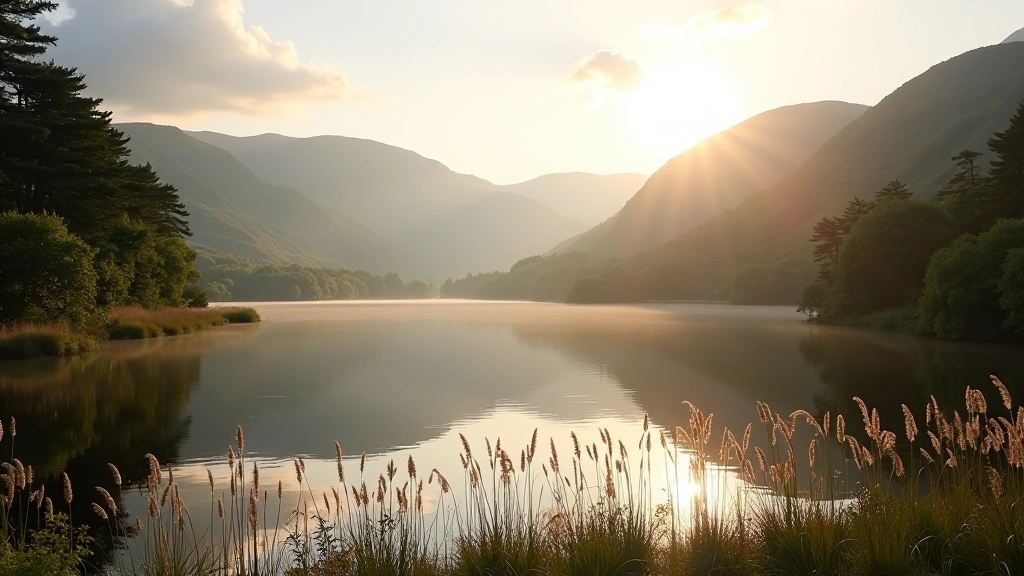
Lakeside Picnic Spots in Killarney National Park
Find the best accessible picnic locations around Killarney's lakes. We've mapped out peaceful spots with facilities.
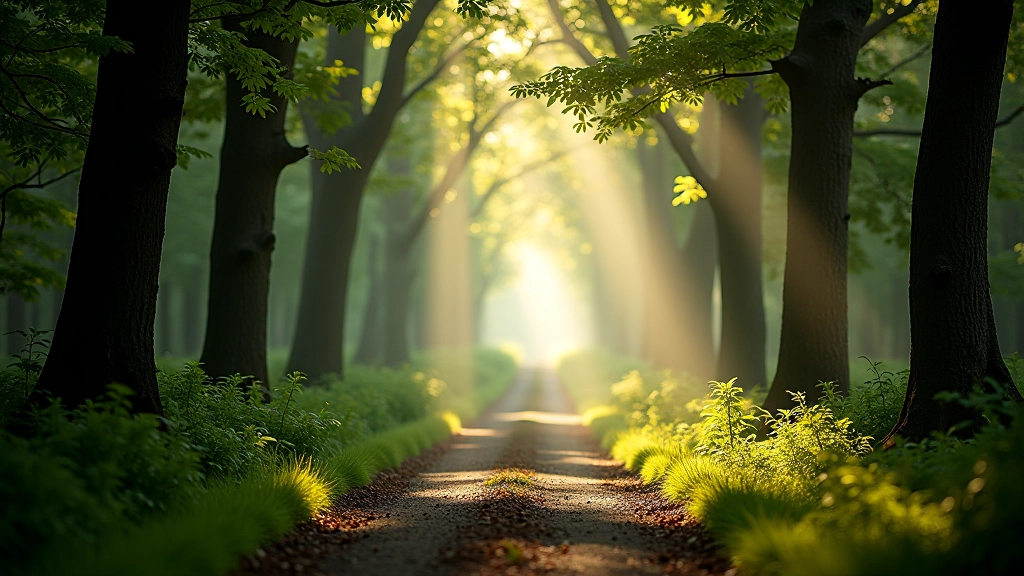

Forest bathing isn't about swimming or getting wet. It's a practice that comes from Japan called "shinrin-yoku" — literally translated as "forest bath." The idea's simple: you're immersing yourself in the natural atmosphere of the forest through all your senses. Walking slowly, breathing deeply, and noticing everything around you. That's it.
You don't need special equipment or extreme fitness. There's no racing against time or reaching a summit. Forest bathing is about presence. It's about slowing down enough to notice the smell of wet earth after rain, the sound of leaves moving in the breeze, the way light filters through the canopy. And Tollymore Mountain Park? It's one of Ireland's most perfect places to try it.
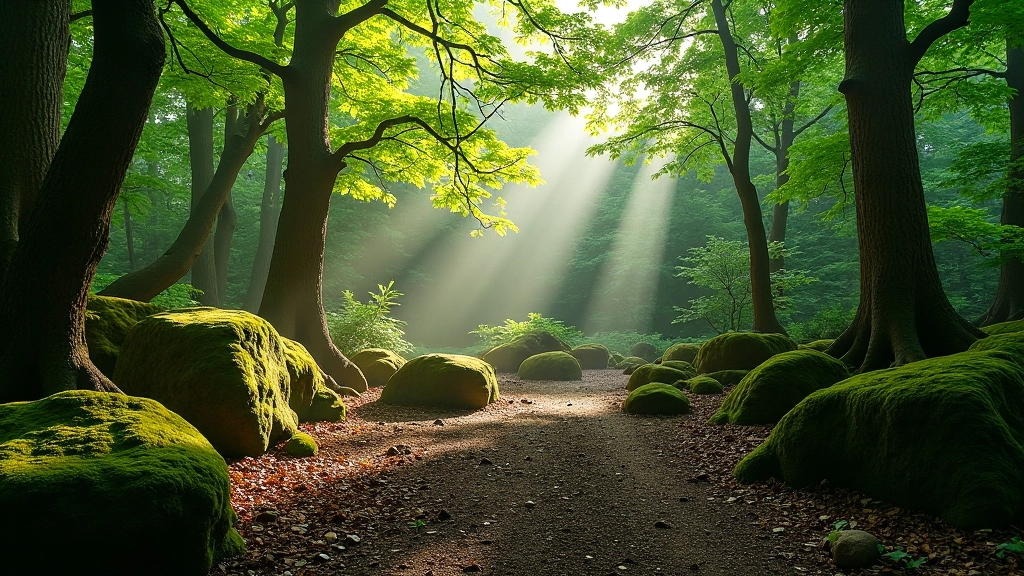
Tollymore sits in the Mourne Mountains, about 30 minutes from Belfast. It's accessible, beautiful, and genuinely quiet once you move past the main car park. The park has several trails ranging from easy riverside walks to steeper mountain paths. For forest bathing as a beginner, you're not looking for the challenging hikes. You want the gentle routes where you can actually slow down.
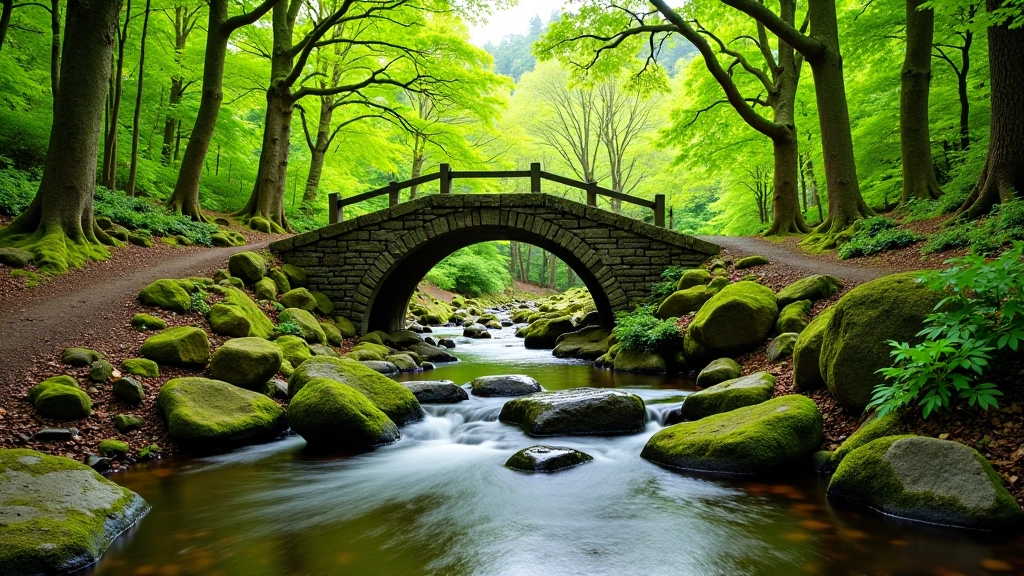
The Shimna River Walk is your best bet. It's about 3 kilometers round trip, takes roughly 45 minutes to an hour without rushing, and stays mostly flat. You'll walk beneath towering conifers and native oak, cross stone bridges, and have the sound of running water beside you the whole way. Perfect for beginners. Wear comfortable shoes with decent grip — the ground's often damp and roots cross the path. Bring water. And dress in layers. Mountain weather changes quickly, and you'll want to be comfortable sitting still sometimes.
Forest bathing relies on three main practices: intentional breathing, sensory awareness, and slow movement. Start with your breathing. As you walk, try breathing in through your nose for a count of four, holding for four, then exhaling for four. This naturally slows your pace and calms your nervous system. You're not hyperventilating or doing anything extreme. Just conscious breathing.
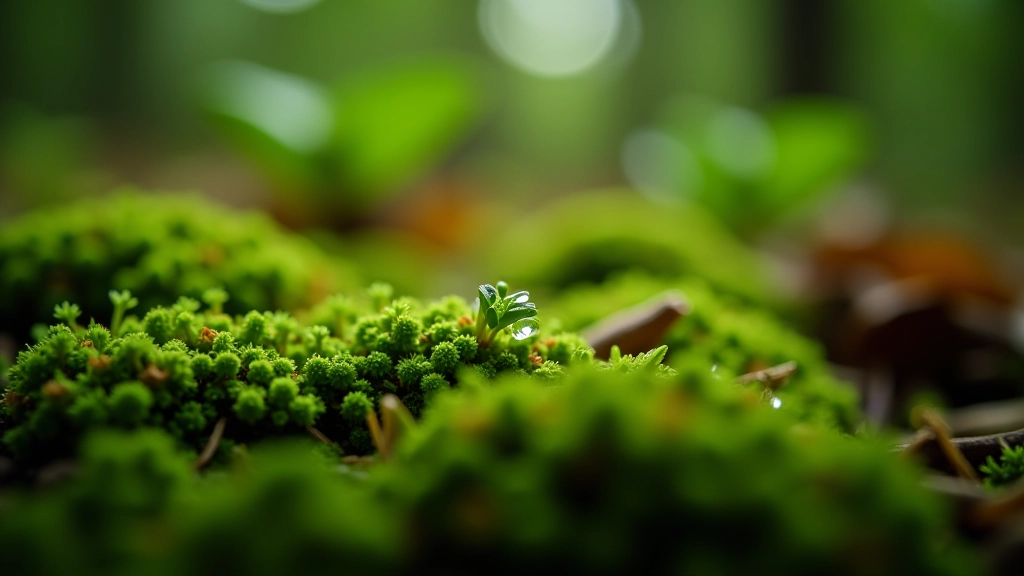
Next is sensory awareness. Stop occasionally — maybe every 10 minutes. Really look at something. A tree bark pattern. The way moss grows on a particular rock. Listen without trying to identify what you're hearing. Just let sounds come to you. The forest's layered with noise once you pay attention: birdsong at different heights, wind moving differently through various trees, water flowing over rocks. Smell matters too. Rain on soil has a compound called petrichor. Wet leaves smell green and alive. Conifers have that distinctive sharp pine scent.
Movement should be slow. Walking meditation pace, basically. Not strolling aimlessly — there's intention here. But you're not covering distance. You're covering presence. If it takes 90 minutes to do what could normally be a 30-minute walk, that's exactly right.
This guide is educational material about forest bathing practices. While research suggests forest time benefits wellbeing, individual results vary. If you have mobility concerns, heart conditions, or any health questions, consult with your doctor before starting outdoor activities. Always check weather forecasts before visiting Tollymore, stay on marked paths, and let someone know where you're going. The park is beautiful but mountainous — conditions change quickly.
Your first session might feel awkward. You're walking slowly. You're stopping to smell things. You're just standing there listening. People jogging past might seem normal by comparison. Don't worry about it. After about 15 minutes, something shifts. Your shoulders drop. Your breathing becomes easier. You stop thinking about whether you're doing it right and just start being there.
You'll notice details you'd normally miss. A specific shade of green. How ferns arrange themselves. The pattern of light on water. You might find yourself sitting on a moss-covered log for 10 minutes without checking your phone. Some people feel emotional — not in a sad way, just a release of tension they didn't know they were carrying. Others feel energized. Most feel a combination of calm and clarity.
The benefits aren't mystical. Forest environments reduce cortisol (your stress hormone), lower blood pressure, and boost immune function. Phytoncides — compounds released by trees — actually improve your immune markers when you breathe them in. So it's not just feeling better. Your body's genuinely responding to the environment.
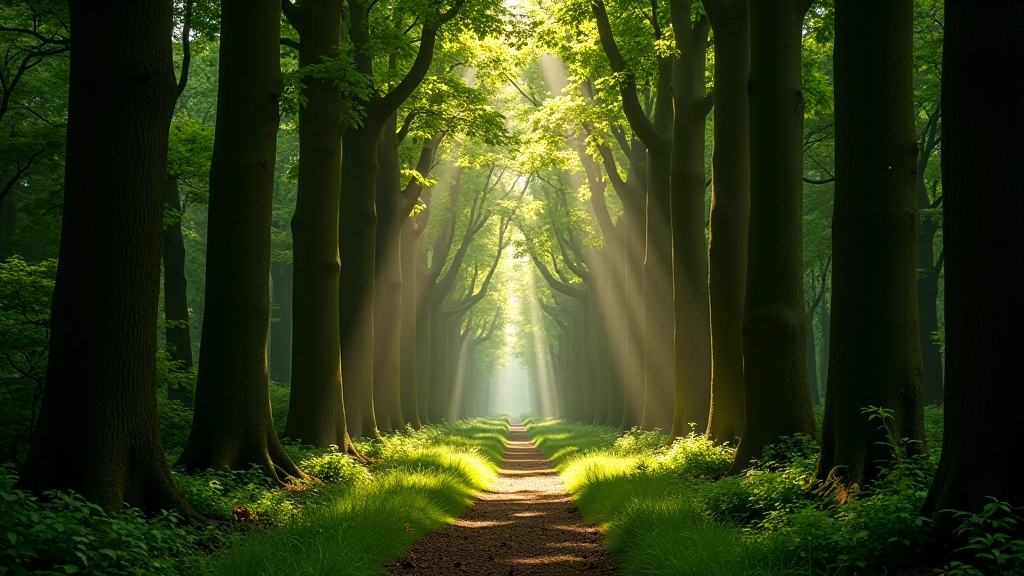
Spring and autumn offer ideal conditions. Summer's busier, winter can be muddy. Early morning — before 9 AM — means fewer people. You'll have the forest mostly to yourself.
Water, comfortable walking shoes, a light layer, and honestly that's it. Leave your phone on silent if you must bring it. A notebook? Optional. Some people sketch or write observations. Most just walk.
Start with 45 minutes to an hour. Once you're comfortable, longer sessions give deeper benefits. The park's open from dawn to dusk year-round. Parking's £2.50 for the day or £15 for an annual pass.
Forest bathing isn't complicated. It's accessible to anyone who can walk slowly through a forest. You don't need special knowledge or equipment. You don't need to be fit or young. You just need to show up, slow down, and pay attention. Tollymore's one of Ireland's finest places to begin. The trails are well-maintained, the scenery's genuinely stunning, and the forest's deep enough that you can leave the bustle of everyday life behind surprisingly quickly.
Try it once. Walk the Shimna River path. Stop occasionally. Breathe. Listen. Notice what you see. You might discover that sometimes the best thing you can do for your health is absolutely nothing — just being present in a forest where trees have been growing for centuries and will keep growing long after you've left. That's forest bathing. That's enough.