Birdwatching at Wexford Slobs: Species & Best Times
Discover the birds of Ireland's premier wetland sanctuary. We've mapped out 15+ species you'll spot, seasonal patterns, and comfortable observation spots perfect for spending an afternoon with binoculars.

Why Wexford Slobs Matters for Birdwatchers
Wexford Slobs isn't just another wetland. It's one of Europe's most important bird sanctuaries, where migratory routes converge and species from across the continent stop to rest. You'll find pintails and shovelers here in winter, greenshanks in autumn, and breeding warblers come spring.
The key thing? It's accessible. We're not talking about scrambling through muddy marshes or standing for hours in discomfort. The slobs have designated viewing points, hides that protect you from wind, and gentle walking routes where you can spend an afternoon genuinely relaxed. Most observers find their best sightings happen when they're calm and patient, not rushing from spot to spot.
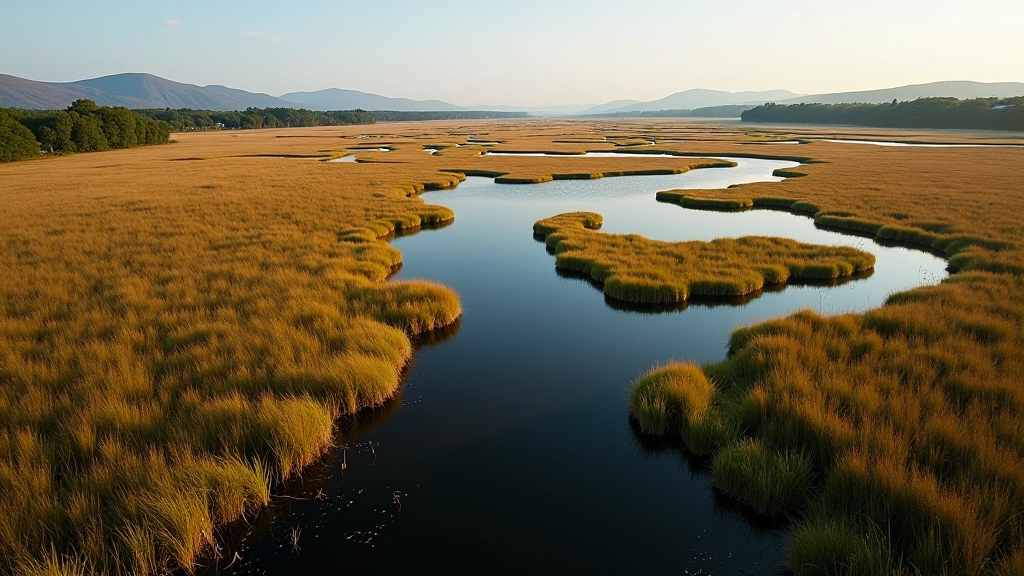
Common Species You'll Encounter
Wexford's birds change with the seasons, which is part of what makes it fascinating. Winter brings the biggest concentrations — pintails, shovelers, and wigeon crowd the deeper pools. Spring transforms the slobs into a chorus of breeding activity. Autumn's the golden period for spotting rarities.
Pintails & Shovelers (Winter)
Arrive October, peak December-February. Pintails are unmistakable — slender, elegant, the males with that chocolate head. Shovelers are clumsy-looking but distinctive with their oversized bills. Both prefer shallow water, so you'll see them at the edges.
Wigeon & Teal (Winter)
Arrive November, stay through February. Wigeon males have that distinctive red head and cream forehead. They're vocal too — you'll hear their characteristic whistle before you spot them. Teal are smaller, easier to overlook, but once you know what to look for they're everywhere.
Greenshanks (Autumn)
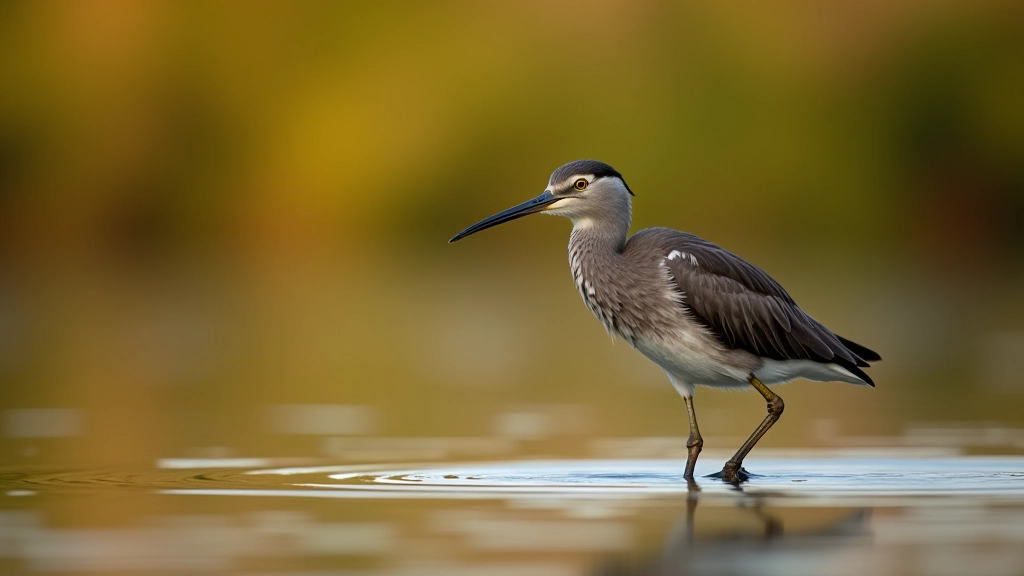
August through October. These waders are jumpy and vocal — you'll often hear them before you see them. They probe the shallow margins, and there's something meditative about watching them work through the water, completely focused on their feeding.
Reed Warblers (Spring/Summer)
Breed April through August. You won't always see them — they're skulking birds that hide in reed beds — but you'll definitely hear their scratchy, repetitive song. Get into a hide at dawn and you might spot one briefly on a reed stem.
Lapwings (Spring/Autumn)
Present year-round but most visible spring and autumn. The crest on their head is distinctive, and they're acrobatic fliers — you'll see them tumbling through the air, especially if they're protecting a nest nearby.
Informational Note: This guide provides educational information about bird species and observation techniques at Wexford Slobs. Birdwatching practices vary by individual ability and site conditions. Always check current access regulations with the site management before visiting, stay on designated paths, and respect nesting areas during breeding season. Weather and visibility can significantly affect bird spotting — expect some visits to be less productive than others.
Best Times: What to Expect Season by Season
Timing makes all the difference. The species you'll see, the crowds you'll encounter, even the comfort level — it all changes with the seasons.
Winter (December–February)
The peak season for numbers. You'll see pintails, shovelers, wigeon, and teal in the hundreds. The water's cold, the wind's biting, but it's worth dressing properly — layers, waterproof jacket, good gloves. Early morning and late afternoon offer the best light and often the best viewing. The hides are essential in winter because you're getting proper shelter from the weather.
Spring (March–May)
The landscape transforms. Warblers arrive, breeding birds become more active, and you get genuine birdsong — not just calls but proper territorial singing. The days get longer, so dawn visits mean you're out while it's still dark but the birds are active. By May the breeding birds are established and the hides fill with sound.
Summer (June–July)
Quieter period for visitors but interesting for dedicated watchers. Young birds are fledging, warblers are still around, and you might spot rarities. The long daylight hours mean you can visit later in the day and still have good conditions. Insect activity peaks, which attracts specific bird species.
Autumn (August–November)
Migration season brings variety. Greenshanks, curlews, and other waders pass through. The weather's unpredictable but often pleasant. This is when experienced birdwatchers get excited — you never quite know what'll turn up. The cooler temperatures make spending hours outdoors comfortable again.
Making Your Visit Comfortable & Productive
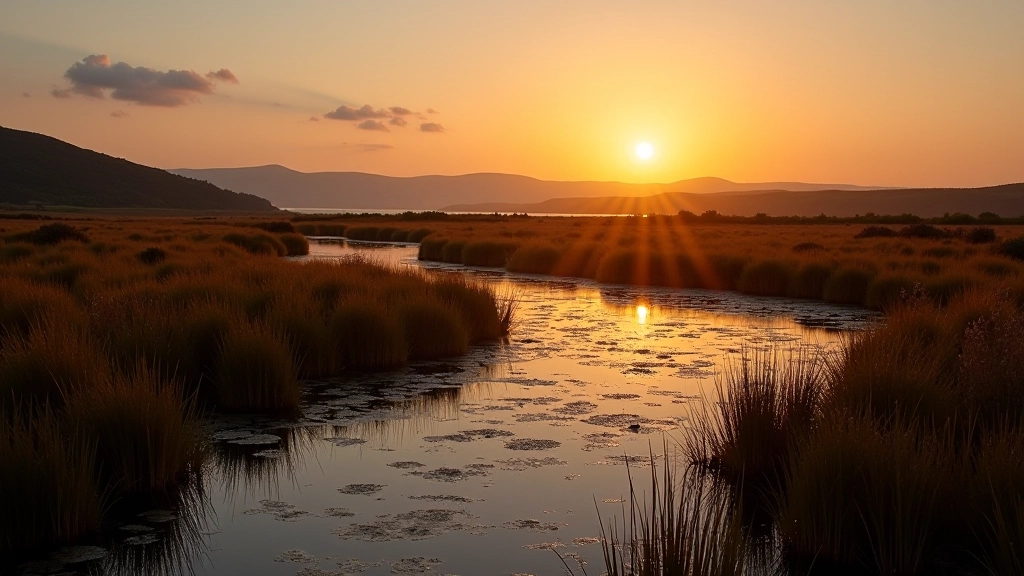
Here's what separates a frustrating visit from an enjoyable one: preparation. You're not climbing mountains or enduring hardship. You're sitting or standing, watching birds. But comfort matters because uncomfortable people don't see as much — they're thinking about their cold feet instead of that distant shorebird.
Use the Hides
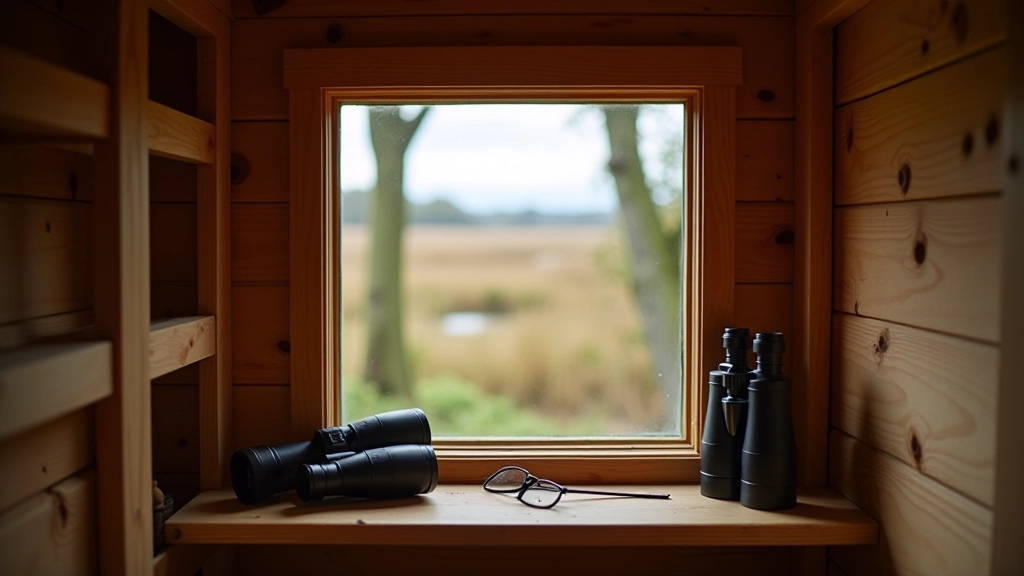
The viewing hides exist for a reason. Birds don't panic at a wooden structure — they panic at movement and sudden noise. You'll see more from inside a hide, and you're protected from wind and weather. Don't skip them.
Dress in Layers
Weather at the slobs is unpredictable. Wind comes off the water and it's penetrating. Layers let you adjust without going back to the car. Waterproof outer layer, wool underneath — nothing fancy needed.
Binoculars Make the Difference
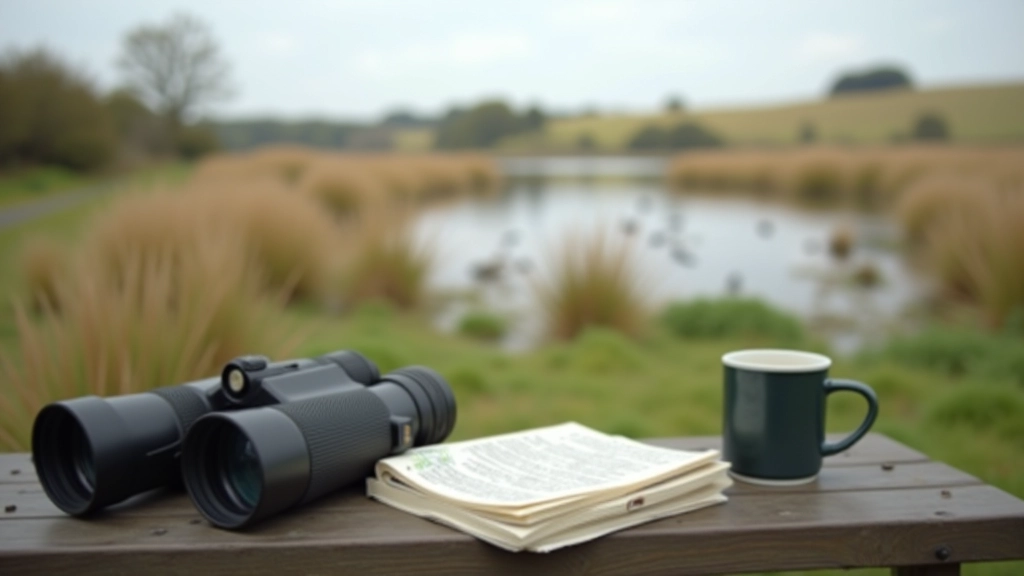
You don't need expensive ones. Decent 8x42 binoculars cost around €150-300 and will serve you perfectly. Good optics transform the experience — that distant duck suddenly becomes clear and detailed.
Go Early
Dawn visits are genuinely better. Light's softer, birds are more active, and you beat the crowds. You don't need to start at 5am — 7am or 8am often works perfectly depending on the season.
Stay Still and Quiet
This isn't a hike. You pick a spot, set up, and wait. Movement and noise scare birds. The longer you're patient, the more birds will resume normal behaviour around you. Thirty minutes in one spot beats an hour of walking.
Making the Most of Your Wexford Slobs Experience
Wexford Slobs rewards patience and preparation. You won't see every species on every visit — that's part of what keeps birdwatchers coming back. There's always something new, some unexpected visitor, some behaviour you haven't witnessed before. That sense of discovery, combined with the peaceful rhythm of a morning watching birds, is what makes it worth getting up early and spending hours outside.
Start with the common species. Learn to identify pintails and wigeon confidently. Use the hides. Go early in the morning. Dress properly. Once you've got that foundation, you'll start noticing the subtler birds, the seasonal patterns, the specific spots where certain species prefer to feed. That's when birdwatching stops being just an activity and becomes something you genuinely look forward to.
Ready to explore more outdoor experiences in Ireland?
Browse More Nature GuidesExplore More Outdoor Experiences